
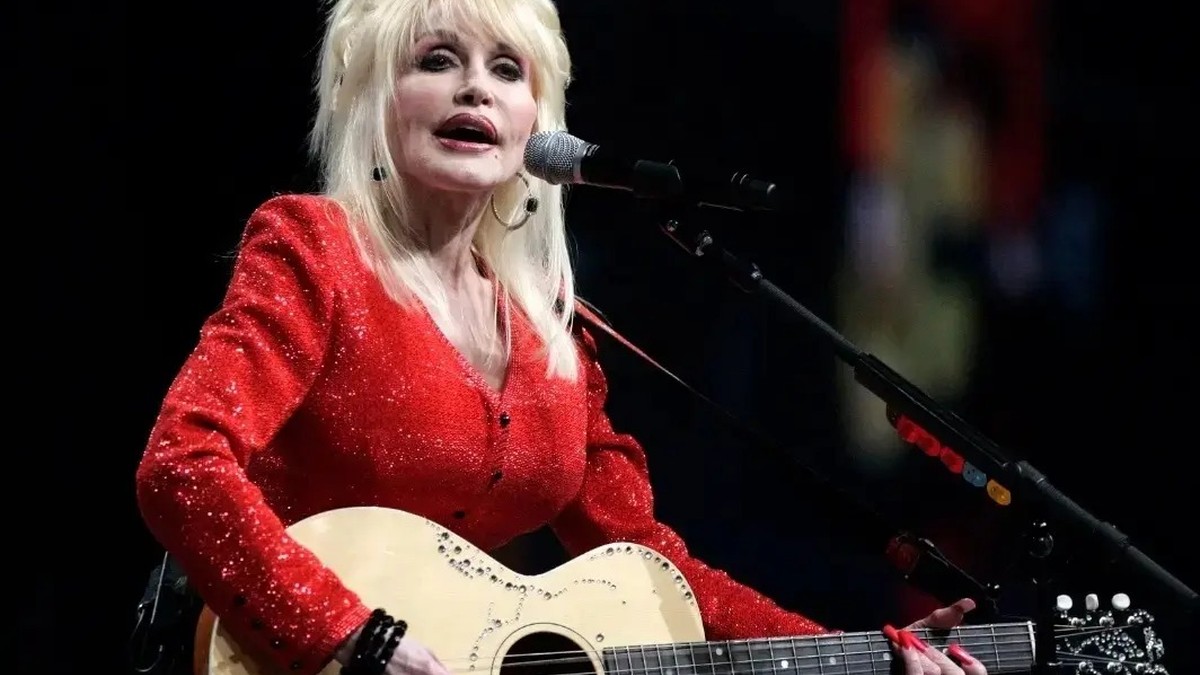

Dolly Parton’s 2005 protest album, Those Were the Days
When we think of protest songs, we do not think of country or even alternative country music. Protest belongs to the likes of Nina Simone, Joan Baez, and Woody Guthrie, but not the law and order sorts that usually play and listen to country music. To some extent this is because country music was originally the music of Americans who grasped their underdog status, (and sang vociferously about it) whereas today’s country music is pretty much a mouth piece of corporate interests that exploit the original country demographic. Protest was actually originally embedded in country music until commercializing forces took it over in the 70’s and 80’s. These days the message of main stream country music is but a thinly veiled effort to re-brand the plantation system; a plantation of corporate serfdom, which is where they want to put us all. And just what does old school country music, the real country music have to say about this?

Willie actin’ like an ole’ beatnik…. (but he’s right…)
We shall start with the auburn oracle, Willie Nelson who has advocated throughout his career for America’s farming families, as well as for alternative fuels and the legalization of marijuana. Nelson told KSAT-TV in San Antonio, Texas what he thinks the Occupy movement: “I’m proud of them for doing it [….] I pay my taxes and some of those guys up there don’t,” he said. “And those are the ones that I’m pissed off at, the ones that make millions of dollars a year and don’t pay any taxes.” Nelson also later posted a video of himself and his wife reading a poem based on the Hopi prayer, “We are the ones we’ve been waiting for”. Do watch the video, and you will see Mr. Nelson’s beatnik sympathies on full display. We cannot underestimate the importance of Mr. Nelson’s stance on the 99%. For, as the cartoon below demonstrates, Willie Nelson is one of the founding fathers.
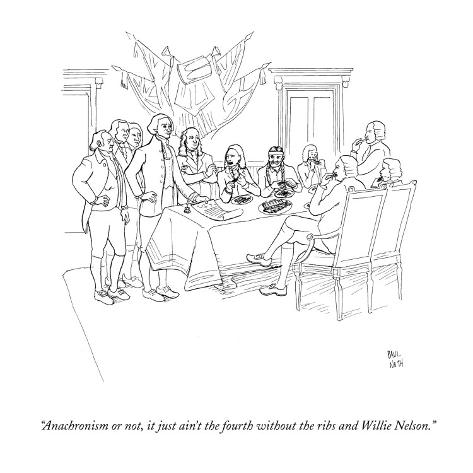
Paul Noth’s Depiction of the Second Continental Congress, Willie shown center.

Lucinda sez: keep on Rockin’ In The Free World
Other alt-country acts have gotten on board with this whole No Depression thing as well. Lucinda Williams was raised by a parent who taught at a public university in Arkansas. Williams is doing an entire of set of protest songs during her current Blessed tour, including “For What It’s Worth” and “Keep on Rocking In the Free World”. Williams is also collaborating on a CD with Graham Nash, David Crosby, Jackson Browne and others, the proceeds of which will go towards Occupy causes. Jay Farrar (formerly of Sun Volt and Uncle Tupelo) performed at a tribute to Phil Ochs to benefit Occupy Seattle. James McMurtry has released a new song (freely downloadable here) called “We Can’t Make it Here”. Folk singers Pete Seeger, Arlo Guthrie, and Tim Easton have also been vocal supporters, but everybody knows folk singers are commies. Ever seen Pete Seeger drink a glass of water? As for fresher faces, Jennie Arnau is a South Carolina gal who is new on the scene and working with the Dixie Chicks’ Grammy award winning producer, Trina Shoemaker. Don’t let the banjo tracks fool ya, Ms. Arnau is featured on Occupy This Album right there alongside of Lucinda and all the other communists.

Jay Farrar bill from earlier this month; He’s a fan.
In the interests of Fair and Balanced, we should also of course recognize the point of view belonging to the other side, the so called one percent. Let’s see here …. are there any alternative country musicians that make over $900,000 a year? Assuming that an artist makes $23.40 for every $1000 in record sales, said artist would have to sell over $37 million in records, or go triple platinum to be an average 1%-er. For scale, consider that from 1985 to 2009, Lyle Lovett sold 4.6 million records. (Incidently Mr. Lovett never made so much as a dime on these albums, see here for details). It would seem that the banking and education systems are not the only sectors wanting for reform. And reform starts right here- local, sustainable, independent and straight from the heart, Root Hog radio.
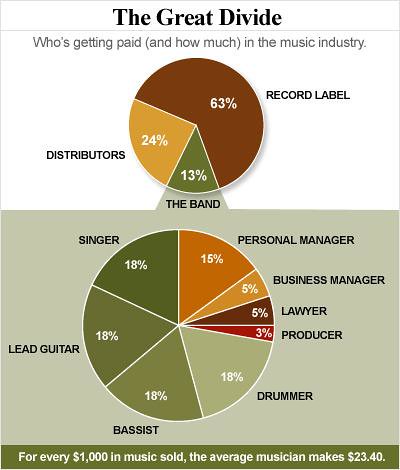
Corporate music: a plantation system for artists….